Just Sayin’ #9 by George Knight
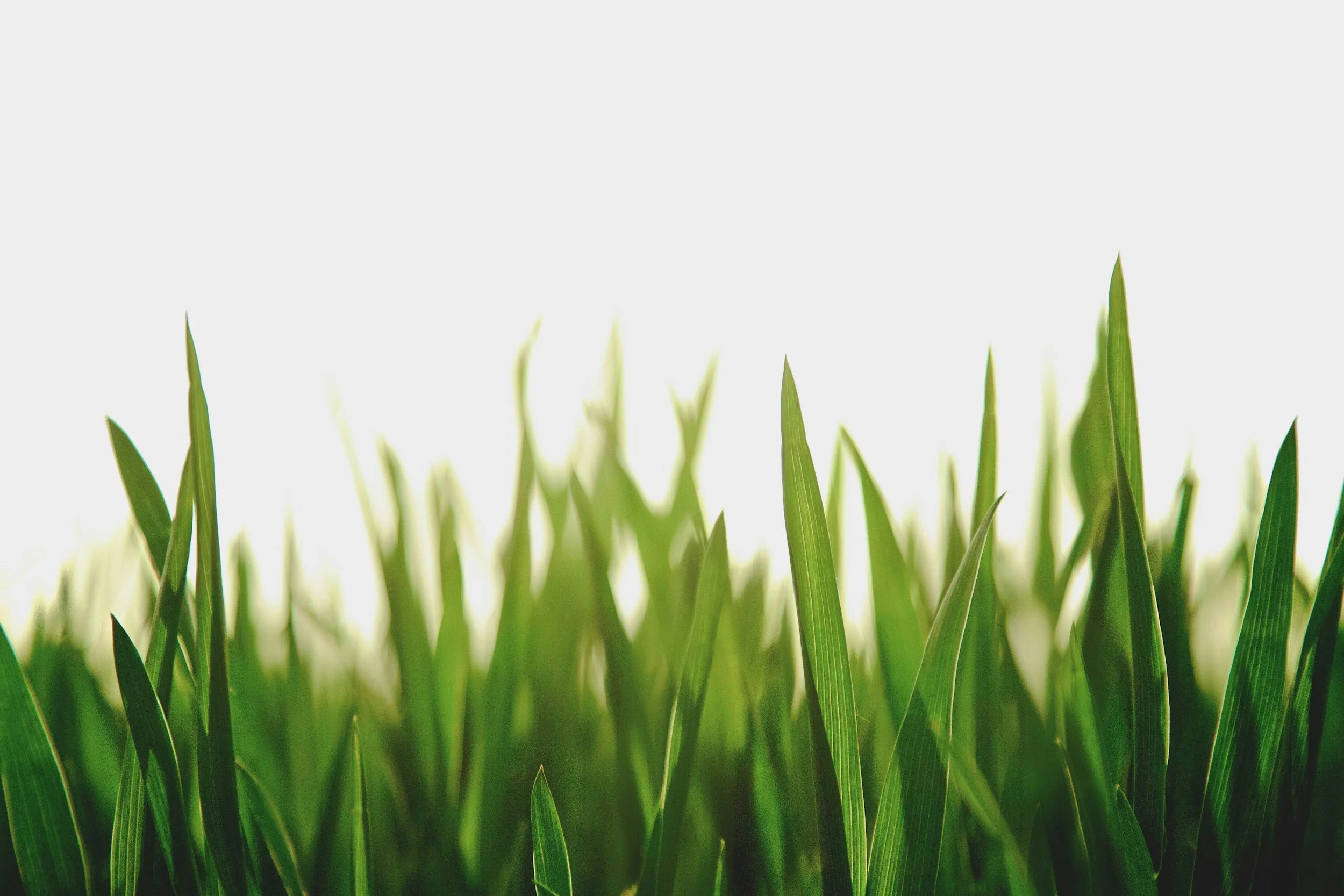
"The Grass Is Always Greener On The Other Side”
Sometimes you see this saying expressed as “the other man’s grass is always greener” —and while they look very similar, they really are quite different. The first version carries no envy; it simply notes that something better may lie beyond our fence.
There are also two other aspects embedded in this old saying which are of some note.
The first is positive, well kind off. “The Grass is always greener on the other side” suggests that there is something better to strive for / to improve upon.
The second is kind of negative, an expression of mild dissatisfaction with what one has against what it could be / should be. “Comparison is the thief of joy” according to Theodore Roosevelt and he was not entirely wrong.
Now maybe, just maybe, we human beings are meant to always be striving, always stretching, always trying to do more, be more.
Maybe also we are always meant to be malcontent, dissatisfied with ourselves and the world … well at least to some degree.
Indeed could it be the case that if we don’t continue to work on, develop and improve in our intellectual, moral, material and Spiritual lives we first stagnate and then … go backwards?
This concept of “continuous improvement” (Kaizen) is widely known and widely practiced in the corporate world—necessarily so. But does it really apply to you and me in our personal lives?
Is it not the case that over the course of one’s life one peaks and then one declines (steadily and in some cases, not-so-steadily!) into advanced old age?
Could it be the “continuous improvement” from an elderly person’s point of view is to be able to do today what was able to do yesterday, to minimize the loss of one’s faculties or even more basically still, to simply want to wake up in the morning?
I suggest that come the end of life when in advanced old age we find ourselves “sans teeth, sans eyes, sans taste, sans everything”, when we find ourselves “simply sitting in a chair and looking in the distance” awaiting alas, “the inevitable hour” it is then that we will truly realise the wealth we have and the wealth we have lost.
It is then that I hope we all realize that the grass may have been greener had we pursued other choices but we remain profoundly grateful for the green green grass of the homes which we have and all of our loved ones, both the ones who are still with us and those who have gone ahead.
Come the very end of life, I Pray that all of us can look back upon our lives and be thankful—profoundly thankful— for the great gift of having been born Human.
Until next Thursday,
God bless,
George K