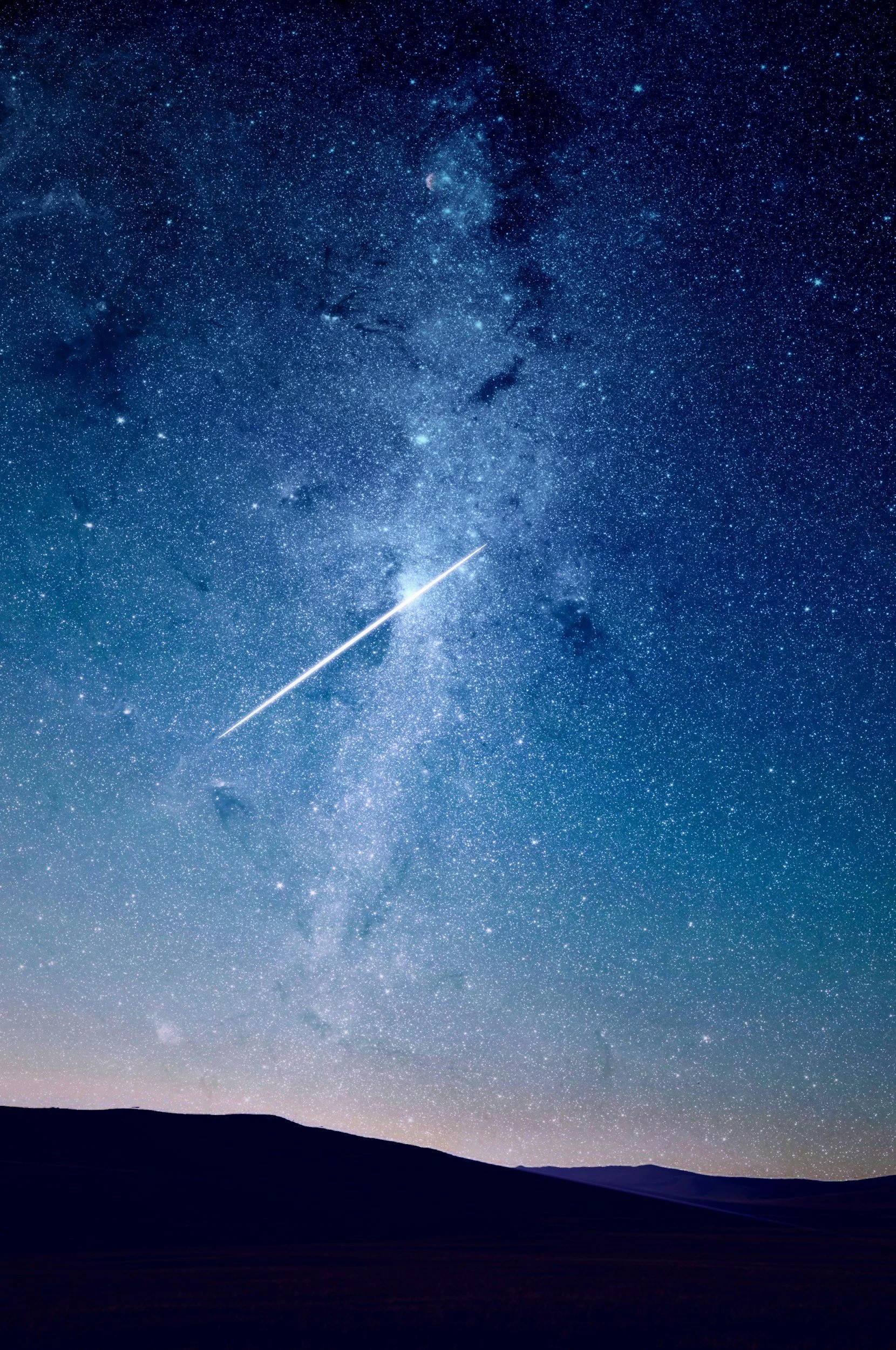
Every August, the Northern Hemisphere witnesses one of the year’s most spectacular astronomical displays. Broadly known to science as the Perseids Meteor Shower, this celestial event carries a fmore poetic name: the Tears of Saint Lawrence.
In 258 AD, during the persecutions ordered by Roman Emperor Valerian, a deacon named Lawrence was tasked with managing the goods and alms of the Church. When ordered by Roman officials to hand over these material possessions, named by the Romans as ‘the treasures of the church’, Lawrence spent three days gathering the poor, the sick, and the needy, presenting them to the prefect with the words: "These are the treasures of the Church."
The authorities sentenced Lawrence to execution on August 10, ordering him roasted alive on a red-hot iron gridiron. Lawrence famously told them: "Turn me over; I’m done on this side!" as they tortured him to death.
Following his death, lore surrounding Saint Lawrence spread throughout Mediterranean Europe, particularly in Italy and Spain. Villagers who looked to the skies around the night of his feast day—August 10—noticed a sudden surge of shooting stars. They began calling these fiery streaks Lágrimas de San Lorenzo (the Tears of Saint Lawrence), believing the glowing lights were either the tears he shed during his suffering or the lingering embers thrown into the sky from his fiery gridiron.
The Perseids typically run from mid-July through late August, reaching their peak intensity each year right around August 11–13—aligning perfectly with the traditional feast day of Saint Lawrence. Under dark skies away from city light pollution, observers during peak hours can often count anywhere from 60 to 100 meteors per hour.